
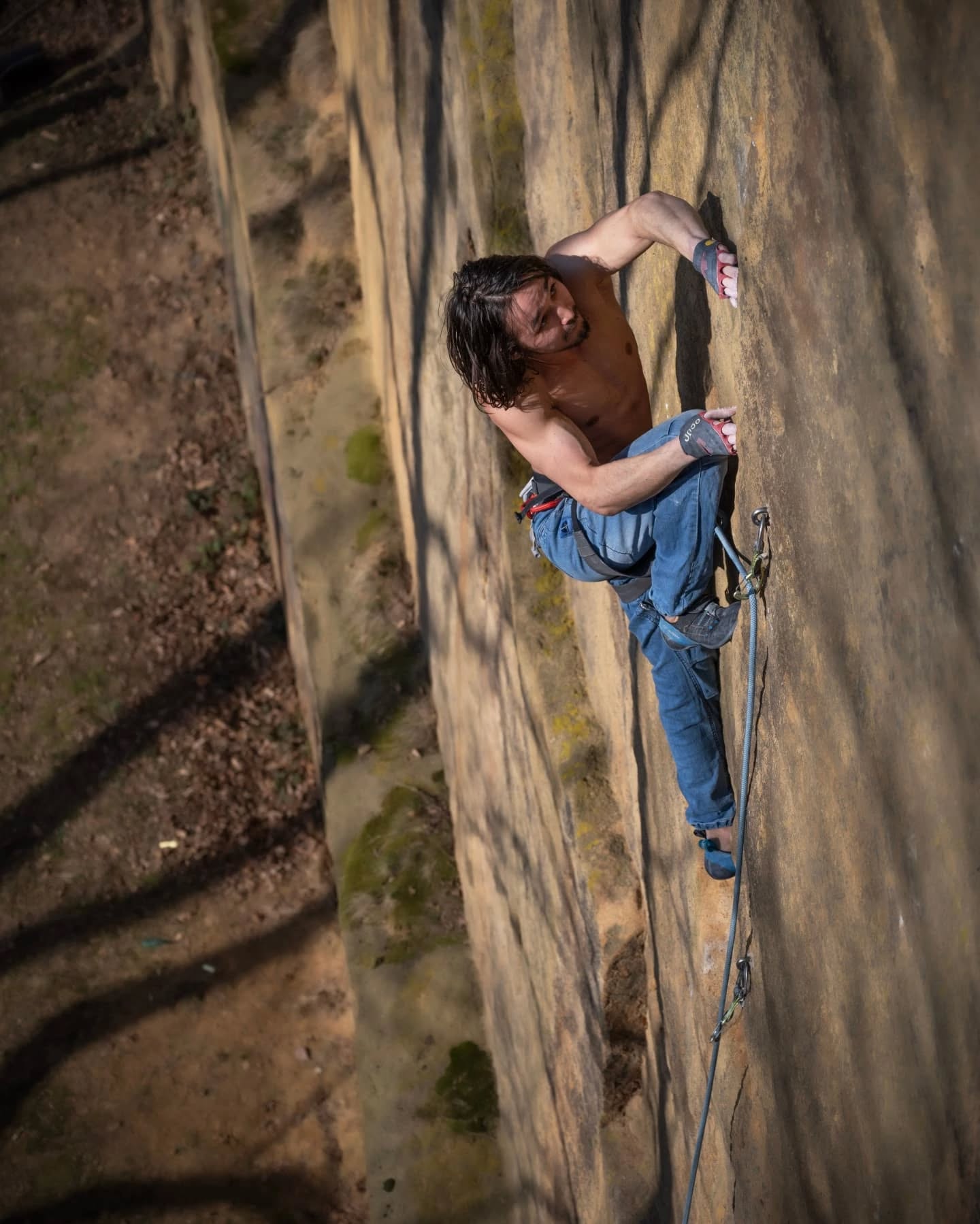
What to wear to a climbing course: comfort, functionality, and essential gear is a topic that directly impacts your learning experience. The right clothing affects your range of motion, thermal comfort, risk of chafing from the harness, and whether your outfit interferes with belaying. A climbing course typically combines technical drills, anchor practice, and repeated attempts on routes – so your clothing must perform well in motion, fit properly, and require minimal adjustment.
This guide outlines practical selection criteria for different settings (indoor climbing gym, bouldering, outdoor rock climbing, and alpine terrain), explains how to ensure a proper fit under a harness, and shares garment care tips based on care labels and manufacturer recommendations [1][2][3]. You’ll learn how to avoid common mistakes such as overheating, restricted movement, shirts riding up, or painful waist chafing.
Indoor Gym, Bouldering, Outdoor Rock, and Mountains: How Clothing Choices Differ
Indoor climbing (top rope or lead) usually means a stable temperature environment with intense movement intervals and breaks for learning knots or commands. Choose moisture-wicking, quick-drying clothing that doesn’t interfere with wearing a harness. Smooth layers without bulky waist pockets or thick seams in pressure zones work best.
Bouldering involves dynamic moves, friction against holds and walls, and frequent sitting on crash pads. Prioritize freedom of movement in the hips and knees and abrasion resistance. Purpose-built climbing pants generally perform better than casual joggers, which can restrict high steps or slip down during heel hooks.
Outdoor rock climbing adds variable weather and contact with rough stone. Consider a lightweight wind-resistant layer for gusts or light showers, and clothing you won’t mind getting dusty with chalk. In mountain terrain, the risk of cooling down at belay stations increases, making proper layering essential and allowing you to add insulation quickly without reorganizing all your gear.
How to Prevent Harness Discomfort and Chafing
Your harness distributes load through the waist belt and leg loops – areas where discomfort is most likely to occur. Proper clothing fit under a climbing harness means avoiding hard elements or bulk around the waist. Thick elastic waistbands, large buttons, heavy belt loops, or overstuffed pockets can create pressure points and cause chafing – especially during a course where you may spend extended time hanging or practicing rope systems.
Before heading to class, check two things: make sure the waist belt doesn’t sit on a rolled-up shirt and ensure your pants don’t bunch in the groin or under the belt. If tightening your harness creates localized pressure, switching to higher-rise pants with a smoother waistband or a more fitted shirt around the hips often helps. When in doubt, always prioritize instructor guidance and the harness manufacturer’s instructions – clothing should never compromise proper harness positioning [4].
Materials and Construction: Supporting Mobility and Comfort
During a climbing course, freedom of movement and moisture management are key. Stretch fabrics and quick-drying materials help you repeat routes without feeling stuck in a sweat-soaked shirt. For climbing pants, construction matters: articulated knees, a gusseted crotch, and a waistband that stays flat under a harness significantly improve comfort.
If product descriptions mention “breathable” or “quick-drying,” treat these as general performance indicators rather than guaranteed technical metrics. The most reliable information comes from fabric composition and care labels, which indicate how garments respond to washing and drying [1][2]. Outdoors, avoid loose elements that may snag on quickdraws or rock – such as dangling drawstrings or long toggles.
You can explore purpose-built women’s climbing apparel and men’s climbing apparel designed specifically for mobility and comfort on the wall.
Layering for a Climbing Course: Base, Mid, and Outer Layers
Layering becomes especially important if your course includes outdoor sessions, colder indoor facilities, or extended instruction breaks. Your base layer should manage moisture effectively and feel comfortable against the skin without restricting movement. Many climbers learn more efficiently when they’re neither shivering at belay nor overheating mid-route.
An insulating mid-layer is useful during breaks or while belaying outdoors. An outer layer makes sense if the forecast predicts wind or light rain – its role is to reduce heat loss, not replace safety equipment or proper course organization. In alpine settings, prioritize ease of use: accessible zippers, adjustable hoods, and cuffs that function well even with gloves. The jacket should pack easily without losing shape.
Climbing Course Clothing Checklist: The Essentials
The exact “minimum” depends on location and season, but for a typical climbing course, prepare a kit that performs both in motion and at rest:
- Breathable T-shirt without thick prints or bulky seams in pressure areas; long sleeves can add comfort in cooler conditions.
- Climbing pants allowing high steps and wide lunges without fabric pulling in the crotch or rolling at the waist.
- Light mid-layer to wear during breaks.
- Windproof or weather-resistant outer layer for outdoor courses.
- Socks without thick toe seams – foot comfort directly affects your ability to learn precise footwork.
Chalk is frequently used during courses, so darker or easy-to-wash clothing reduces frustration from stains. If your course includes safety and equipment training, follow instructor recommendations regarding clothing that might interfere with device handling (e.g., loose sleeves or long hood drawstrings) [4].
Washing and Care: Preserving Technical Performance
The safest rule is simple: always follow the care label, as the manufacturer determines appropriate washing temperature, drying, and ironing guidelines [1][2]. A common mistake with technical clothing is using fabric softeners, which can impair moisture-wicking properties and leave residue on fibers.
If the label recommends gentle washing, minimize mechanical friction: zip closures, turn garments inside out, and avoid overloading the machine. For waterproof or treated garments, specialized detergents and specific drying methods may be necessary to maintain performance finishes. Because care requirements vary by product, rely on manufacturer instructions rather than generic online advice [2][3].
For additional guidance on garment selection and care, visit the Heart Beat climbing blog.
After Your First Session: Evaluating Your Setup
The best test of your outfit is real use. After your first session, assess whether anything rolls under the harness, causes chafing, or makes adjusting layers difficult without removing gear from your harness loops. Persistent waist or thigh discomfort usually indicates a construction or fit issue – not insufficient fabric durability.
Also check whether the garment retains its shape and softness after washing. Rough or misshapen clothing quickly reduces comfort during future sessions [1][2].
If you’re looking for apparel specifically designed for climbing movement and performance, explore the full collection at heartbeat-clothing.com.
FAQ
Should I wear a loose or fitted shirt to a climbing course?
A shirt that doesn’t ride up or bunch under the harness is usually more comfortable. It can be slightly fitted around the hips but should not restrict arm movement. Avoid thick seams and hard elements that create pressure points.
What are the most comfortable pants for a climbing course?
Choose pants that allow high knee lifts and wide steps without pulling in the crotch. The waistband should lie flat under the harness, and pockets shouldn’t create bulk in pressure areas. Test the fit at home while wearing your harness.
Do I need to layer for indoor climbing?
In most climbing gyms, a breathable base layer and optional hoodie for warm-up or breaks are sufficient. Layering becomes more important in colder facilities or during long instructional pauses. The key is being able to add or remove layers without restricting movement.
What most often causes chafing under a harness?
Thick seams, stiff waistbands, stuffed pockets, or a rolled-up shirt are common causes. Moisture increases friction, making the issue worse. If discomfort persists, reconsider your pants’ cut or how you arrange layers under the belt.
Can I wash climbing clothes with regular detergent?
Always check the care label first [1]. Fabric softeners are often discouraged because they can reduce moisture management performance. For garments with special treatments (e.g., water repellency), follow manufacturer instructions and use appropriate detergents [2][3].
Can clothing replace safety equipment like belay gloves?
Clothing improves comfort but does not replace protective equipment or instructor guidance. If specific gear is required during the course, use it according to training standards [4]. Your outfit should simply avoid interfering with equipment handling or increasing snag risks.
How can I tell if my clothing restricts movement while climbing?
If fabric pulls noticeably during high steps or lunges, or if the waistband shifts downward, the fit is likely wrong. Similarly, sleeves that constantly slide down or require adjustment indicate limited mobility. Repetitive course drills quickly reveal such issues – address them early.
References
[1] European Commission – Textile labelling: EU rules on textile fibre names and labelling.
[2] Nikwax – Guidance on washing and caring for technical and waterproof clothing.
[3] Grangers – Clothing Care: washing and restoring outdoor garment performance.
[4] UIAA – Educational materials and safety recommendations for mountaineering and climbing activities.
[5] British Mountaineering Council (BMC) – Climbing safety advice and best practices.
[6] Educational materials on outdoor layering systems and clothing selection principles.
[7] Heart Beat Clothing – Manufacturer information and product descriptions available at heartbeat-clothing.com.


